
5 Business Lessons From Rihanna's Entrepreneurial Journey

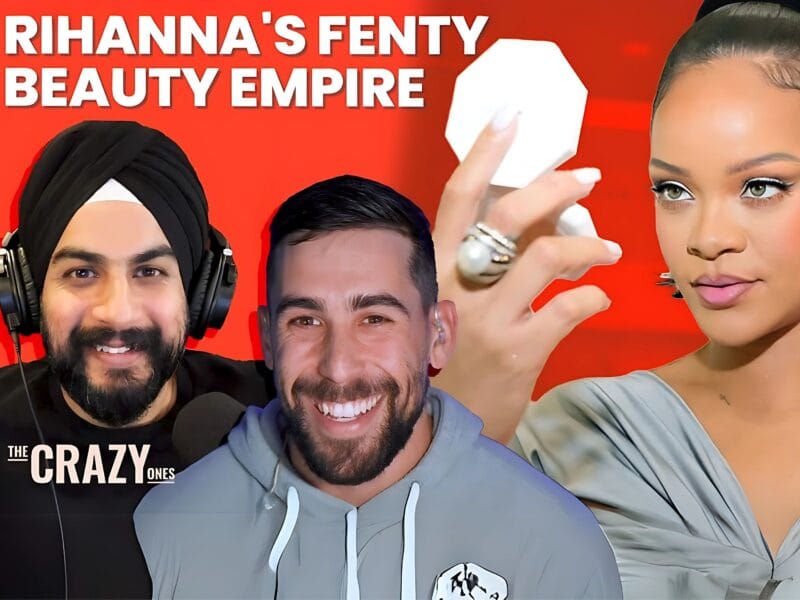
Rihanna was the first female billionaire to perform a Super Bowl half-time show.
What you probably don’t realize is that most of her fortune didn’t come from music.
At storyarb, we help founders tell their stories.
Becoming a Business Mogul
In 2017, Rihanna launched Fenty Beauty, a brand now worth >$2.8 billion.
Fenty’s success is mind-blowing.
Here are some impressive stats:
- Rihanna’s stake is worth $1.4 billion
- $550 million in sales in Year 1
- Doubled revenue in 2022
- Fenty Beauty has accumulated 2.2 billion views on TikTok
So how did Fenty Beauty grow so big so quickly? And how can you apply these learnings?
Here are 5 lessons any entrepreneur can learn from the Barbadian icon:
- The power of deal structure
- What makes creator brands successful
- Build for large, forgotten audiences
- Create a movement
- Be okay with strikeouts & singles
The Power of Deal Structure
Rihanna launched Fenty Beauty at 29.
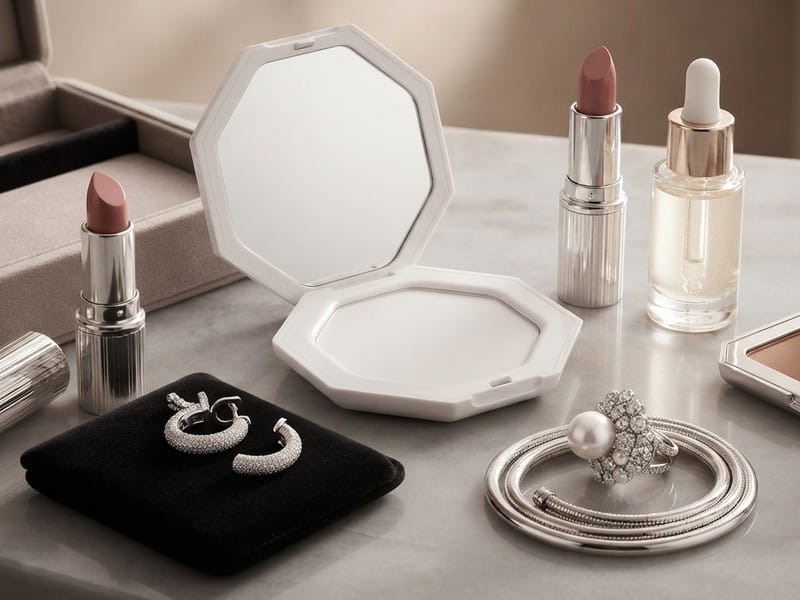
The cosmetics brand was developed with Kendo, LVMH’s incubator, and first went on sale in LVMH-owned Sephora stores.
LVMH invested ~$10 million to do the deal, and ownership of the brand is split 50% LVMH, 50% Rihanna.
But before we talk about the product itself, let’s discuss the deal structure.
Because of her equity upside in Fenty Beauty, nearly 80% of Rihanna’s $1.8 billion net worth comes from the beauty brand.

Keep reading for a mind-blowing comparison…
Take Nike’s Jordan Brand, for instance.
Since 1984, his rookie year, Michael Jordan has pocketed 5% of all Jordan sales.
That’s $10-12 per shoe.
In 2022, Jordan did $5.1 billion in revenue, earning him ~$256.1 million.
MJ is doing just fine, but imagine if he had Rihanna’s economics!

Creator-Market Fit
Okay, back to RiRi.
Why did Fenty Beauty succeed while other creator brands failed?
It’s simple: creator-market fit.
Rihanna is a fashion icon.
- 2011: announced fashion venture with Armani
- 2014: named Creative Director of Puma
- 2015: named new face of Dior
Fenty Beauty is authentically Rihanna.
Building for Large, Forgotten Audiences
Here’s a spicy take.
Fenty Beauty would have succeeded regardless of Rihanna.
Because it’s a 10x product for a large, forgotten audience.
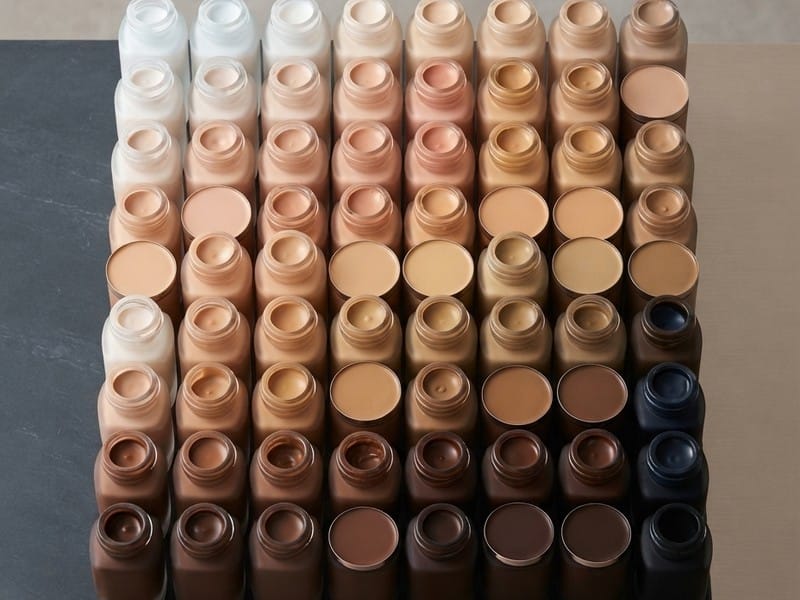
Fenty Beauty disrupted an underserved cosmetics industry by launching products with 40+ shades.
The brand finally offered “Beauty for All.”
Creating a Movement
Fenty Beauty didn’t just solve a big problem.
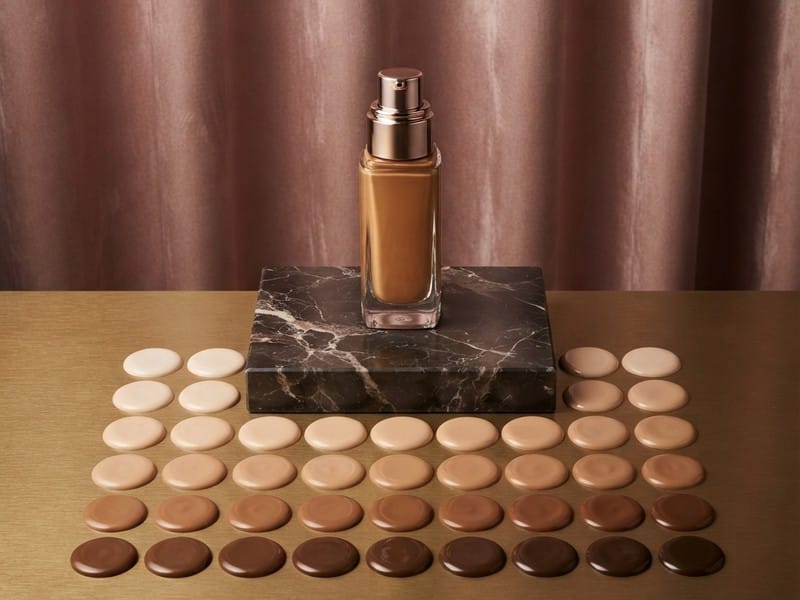
It created a global movement: “The Fenty Effect.”
Following its “Beauty for All” campaign and launch of inclusive makeup, Fenty Beauty created a chain reaction of inclusive beauty.
CoverGirl, Dior, and others began stocking 40+ shades of makeup.
Being Okay with Strikeouts and Singles
If you’re reading this and thinking, “Everything went right, Rihanna must have caught lightning in a bottle.”
You would be wrong.
Rihanna has been trying her hand at business since she launched her first fragrance, Reb’l Fleur, in January 2011.
Don’t believe me?
Here’s a timeline:
- ’05: starts Westbury Road
- ’05: deal w/ Secret
- ’11: face of Nivea/Vita Coco
- ’12: first TV show
- ’13: MAC collab
- ’15: co-owner of Tidal
- ’15: starts Fr8me, beauty agency
- ’16: Puma collab
She’s taken many at-bats—some strikeouts, some singles—all of which informed Fenty Beauty’s success.

Conclusion
Want more?
Follow me @businessbarista for more fascinating business case studies.
Check out The Crazy Ones, where Jesse Pujji and I analyze Rihanna’s entire business career and lessons entrepreneurs can learn from.
Listen to the podcast here, or watch the YouTube video below.
Takeaways from Rihanna’s Career & How to Test Your Business Ideas